
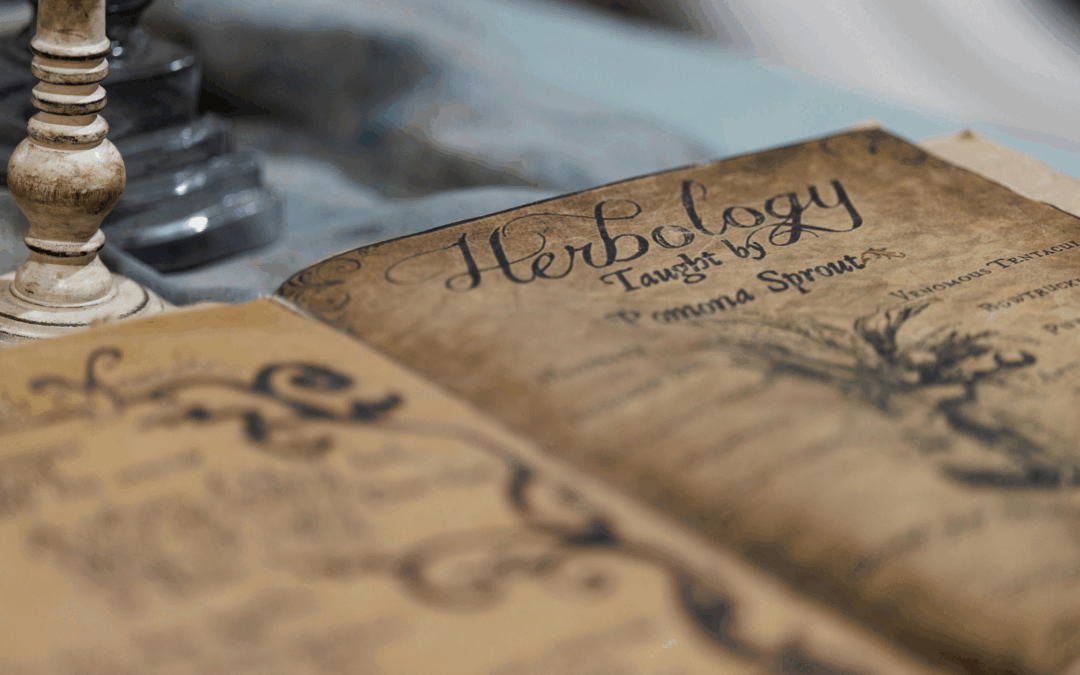
A grimoire or book of shadows is not a test of knowledge, devotion, or tradition. In modern witchcraft, it is a living record of practice, reflection, and personal understanding.
Many beginners worry they are “doing it wrong” — writing the wrong things, using the wrong format, or not being consistent enough. A modern approach removes that pressure entirely.
This guide explains how to keep a grimoire or book of shadows in a way that is flexible, personal, and genuinely useful.
Table of Contents
Grimoire or Book of Shadows: What They Actually Are
Traditionally, a grimoire referred to a book of magical knowledge, while a book of shadows became associated with Wicca and religious witchcraft.
In modern practice:
- The terms are often used interchangeably
- Neither requires religious belief
- Neither must follow a fixed structure
As explained in What Is Witchcraft? A Practical Guide for Modern Beginners, witchcraft is a practice rather than a doctrine. Your grimoire or book of shadows should reflect that flexibility.
How a Modern Grimoire or Book of Shadows Is Used Today
A modern grimoire or book of shadows is less about preserving “correct” information and more about documenting experience.
It may include:
- Personal rituals and reflections
- Observations about energy, mood, or cycles
- Notes on what worked — and what didn’t
- Ethical reflections and boundaries
- Evolving beliefs and questions
It is not a textbook. It is a conversation with yourself over time.
Choosing a Format for Your Grimoire or Book of Shadows
There is no correct format.
A grimoire or book of shadows can be:
- A handwritten notebook
- A binder or folder
- A digital document
- A combination of formats
Choose what you will actually return to. A simple notebook used consistently is more powerful than an ornate book left untouched.
What to Put in a Grimoire or Book of Shadows
A modern approach prioritises relevance over tradition.
You might include:
- Intentions and goals for your practice
- Notes from rituals or spellwork
- Dream reflections
- Moon or seasonal observations
- Personal symbols or sigils
- Ethical reflections and boundaries
As discussed in Ethics, Power, and Responsibility in Modern Witchcraft, reflection is a core part of responsible practice — and your grimoire is an ideal place for it.
What Not to Worry About
Many people abandon their grimoire or book of shadows because they believe it must be:
- Beautiful
- Organised
- Complete
- Private forever
None of this is required.
A grimoire can be messy, inconsistent, incomplete, and still deeply meaningful. It exists to support your practice — not impress anyone else. In part, this website serves as a repository of my own personal Grimoire.
Using Your Grimoire as a Tool, Not an Archive
A modern grimoire or book of shadows is most powerful when it is used regularly.
Try:
- Reviewing past entries monthly
- Updating beliefs that have changed
- Noting patterns over time
- Letting old ideas evolve rather than deleting them
This keeps your practice dynamic rather than static.
Grimoire, Tools, and Practice
Some practitioners integrate their grimoire with ritual tools — placing it on an altar, referencing it during ritual, or using it to track work over time.
As outlined in Witchcraft Tools Explained, tools are optional supports. Your grimoire is one of the few tools that grows with you rather than remaining fixed.
Final Thoughts: Your Grimoire Is a Record of Becoming
A grimoire or book of shadows is not about preserving certainty.
It is about:
- Recording experience
- Tracking growth
- Honouring change
- Building self-trust
A modern grimoire does not freeze your practice in time — it documents how you evolve.
🔹 Connect With Me Elsewhere
If you’d like to explore these ideas visually or in smaller, ongoing reflections, you can also find me here:
- Pinterest – for saved rituals, symbols, seasonal inspiration, and practice prompts
- Instagram – for grounded reflections, practice insights, and modern witchcraft notes
These spaces are an extension of the work here—practical, reflective, and intentionally modern.
🔹 Join the Coven
If you’re drawn to a deeper, more intentional approach to witchcraft, you’re not alone.
I share ongoing guidance on building a personal practice, working with natural cycles, and developing spiritual awareness without rigid rules or dogma. If you’d like to receive future reflections, practical insights, and resources as they’re released, you’re welcome to join.