
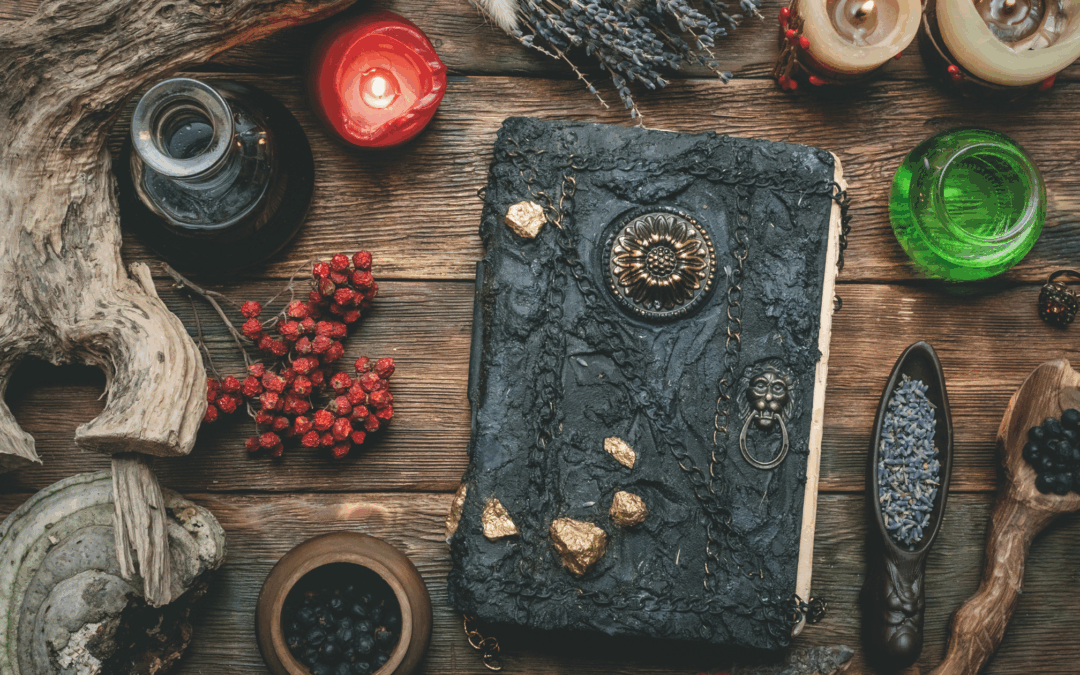
Witchcraft tools explained clearly and practically is one of the most common needs for beginners. Many people feel drawn to candles, crystals, symbols, or ritual tools but worry they are missing something essential—or using them incorrectly.
This guide explores witchcraft tools explained in a grounded, non-dogmatic way. You’ll learn what common tools and symbols represent, how rituals actually work, and why tools are optional rather than required.
Table of Contents
Witchcraft Tools Explained: What Tools Actually Are (and Are Not)
Before listing individual items, it’s important to understand what witchcraft tools represent.
Witchcraft tools are focusing aids, not sources of power themselves. They exist to:
- Anchor intention
- Create symbolic meaning
- Support concentration and ritual structure
As outlined in What Is Witchcraft? A Practical Guide for Modern Beginners, witchcraft is a practice built on intention and awareness. Tools support that practice—they do not replace it.
You can practice witchcraft with or without physical tools.
Witchcraft Tools Explained for Beginners: Common Tools and Their Meanings
Below is a practical reference to commonly used witchcraft tools. Each tool is introduced briefly here. A future blog post will explore each tool in detail.
Candles
Candles symbolise focus, transformation, and intention.
They are commonly used to:
- Open and close rituals
- Hold intentions during spellwork
- Represent the element of fire
Colour meanings are optional. A plain candle works just as well.
Herbs
Herbs are associated with nature, healing, and folk tradition.
They may be used for:
- Smoke cleansing or teas
- Charm bags or sachets
- Symbolic correspondence
Most modern witches rely on everyday herbs rather than rare or exotic plants.
Crystals and Stones
Crystals act as symbolic anchors rather than inherent power sources.
They are often associated with:
- Grounding
- Protection
- Emotional balance
- Clarity
Crystals are optional and should never feel mandatory.
Tarot and Oracle Cards
Cards are tools for reflection, not requirements for divination.
They support:
- Self-inquiry
- Pattern recognition
- Intuitive development
Many practitioners use cards alongside journaling rather than prediction.
Athame, Wand, or Ritual Blade
These tools symbolise intention, direction, and authority.
In modern witchcraft:
- They are symbolic, not literal
- Many witches substitute with hands or gestures
- They are tradition-dependent and optional
Goblet or Chalice
The goblet symbolises receptivity, emotion, and the element of water.
It is commonly used to:
- Hold ritual liquids
- Represent blessing or offering
- Symbolise abundance or connection
Any cup used intentionally can function as a goblet.
Deity Statues or Representations
Deity statues are used in devotional or religious witchcraft practices.
They may represent:
- The feminine and masculine energies (Goddess and God)
- Specific deities
- Archetypes or symbolic forces
- Ancestral or spiritual relationships
Not all witches work with deities. These tools are optional and belief-dependent.
Oils
Oils support ritual through scent, symbolism, and sensory focus.
They may be applied to:
- Candles
- Hands or pulse points
- Ritual tools
Oils enhance ritual atmosphere rather than acting independently.
Besom (Ritual Broom)
The besom symbolises cleansing, transition, and threshold work.
It is commonly associated with:
- Energetic clearing
- Marking ritual space
- Symbolic sweeping rather than physical cleaning
A besom does not need to be decorative to be meaningful.
Offering Bowls
Offering bowls symbolise reciprocity, gratitude, and relationship.
They may hold:
- Food or drink
- Herbs or flowers
- Written intentions
Offerings are symbolic acts, not obligations.
Witchcraft Symbols Explained: Why Symbolism Matters
Symbols are central to witchcraft because they communicate meaning beyond words.
Common symbolic systems include:
- The elements (earth, air, fire, water)
- Moon phases
- Sigils
- Natural imagery
Symbols are effective when they resonate personally. Meaning matters more than tradition.
Witchcraft Rituals Explained: What Rituals Actually Do
When witchcraft rituals are explained clearly, they become approachable.
A ritual is a structured action performed with intention. Rituals help to:
- Focus attention
- Mark transitions
- Reinforce commitment
- Create emotional or psychological closure
As explained in How to Start Witchcraft: Build a Personal Practice Without Dogma, rituals are effective because of consistency and intention—not complexity.
A Brief Note on the Altar
An altar is not a requirement for witchcraft.
In modern practice, an altar is simply:
- A space for focus
- A collection of meaningful symbols
- A temporary or permanent ritual surface
Altars can evolve, be dismantled, or exist only during ritual. A dedicated post on altars will follow.
Witchcraft Tools Explained Without the Pressure to Own Everything
One of the most persistent myths in witchcraft is that tools are mandatory.
They are not.
You can practice witchcraft using:
- Breath
- Writing
- Movement
- Time and attention
Tools are optional supports. A meaningful practice grows from experience, not accumulation.
Final Thoughts: Witchcraft Tools Explained Simply
When witchcraft tools are explained without mystification, they become what they were always meant to be—supportive, symbolic, and optional.
You do not need:
- A perfect altar
- Rare objects
- Complicated rituals
You need clarity, intention, and patience.
Each tool mentioned here will be explored in detail in future posts so you can decide—without pressure—what genuinely supports your practice and what does not.
🔹 Connect With Me Elsewhere
If you’d like to explore these ideas visually or in smaller, ongoing reflections, you can also find me here:
- Pinterest – for saved rituals, symbols, seasonal inspiration, and practice prompts
- Instagram – for grounded reflections, practice insights, and modern witchcraft notes
These spaces are an extension of the work here—practical, reflective, and intentionally modern.
🔹 Join the Coven
If you’re drawn to a deeper, more intentional approach to witchcraft, you’re not alone.
I share ongoing guidance on building a personal practice, working with natural cycles, and developing spiritual awareness without rigid rules or dogma. If you’d like to receive future reflections, practical insights, and resources as they’re released, you’re welcome to join.